

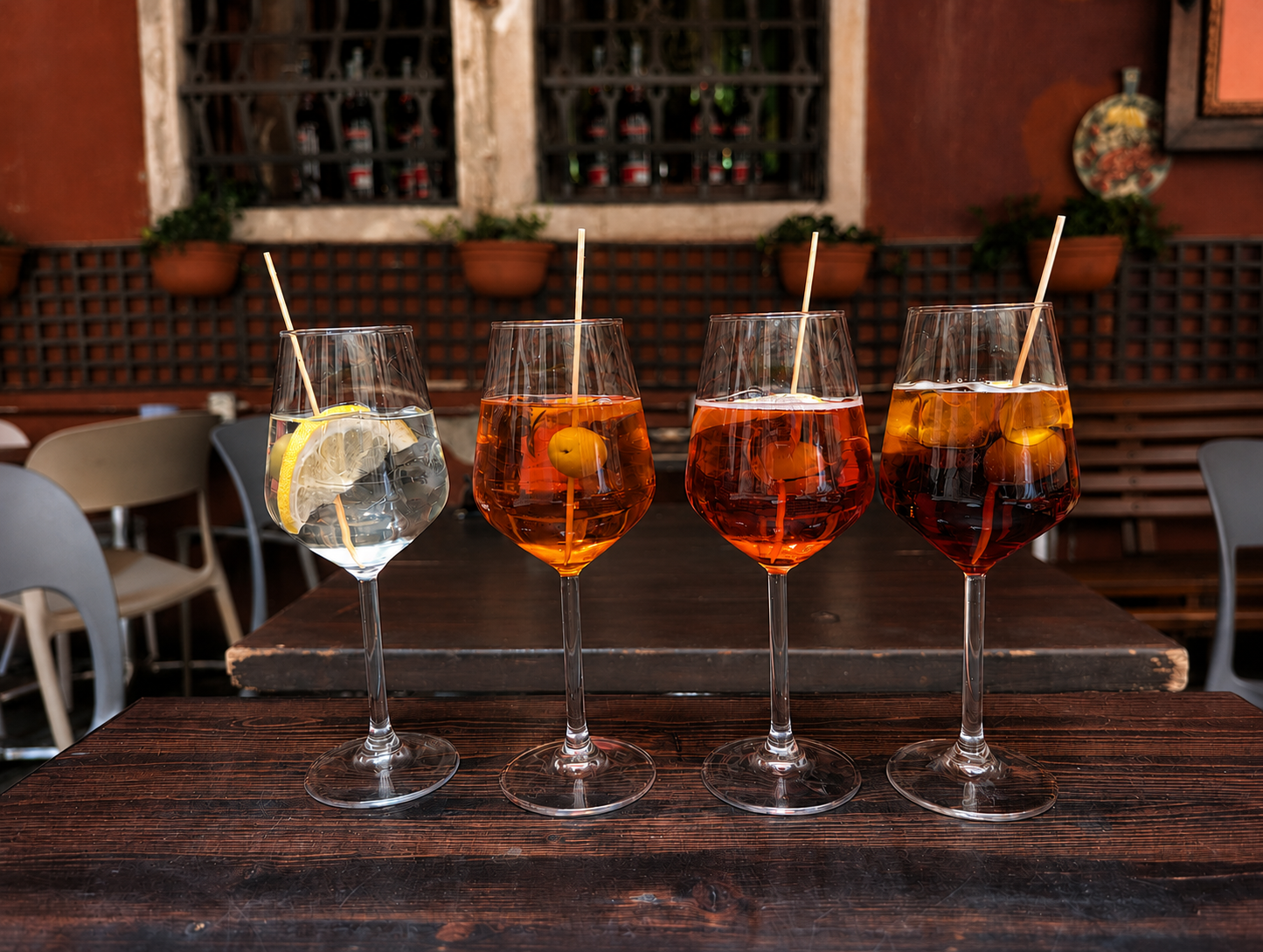
Spend one evening in Venice and you’ll notice the same scene everywhere: a bright orange drink in a small glass, locals standing at the bar, small snacks disappearing in a few bites.
That’s the Spritz.
I’ve watched thousands of visitors order their first one in Venice, usually expecting the same drink they had in London or New York. Then they see what’s actually in front of them at the bar next door, and the questions start. Because in Venice, Spritz isn’t just a cocktail — it’s part of daily rhythm, and most people who visit only ever meet one version of it: Aperol.
This guide walks through what I actually tell people when they ask me about Spritz on my tours: the history, the real variety, honest prices, and the mistakes that give away a tourist before they’ve even ordered.
What is a Spritz?
At its core, a Spritz is Prosecco, a bitter or aromatic liqueur, and soda water. Simple structure, flexible formula. The bitter component is where all the personality lives. Locals don’t think of Spritz as a branded drink — it’s a daily aperitivo that shifts depending on taste, the moment, and where you’re standing. Outside Italy, Aperol has become shorthand for the whole category. In Venice, that’s only the beginning of the conversation.
The History of Spritz in Venice
The story starts under Austrian influence in the Veneto region, when soldiers found local wines too strong and began cutting them with water. The name likely comes from the German spritzen — “to splash.” The drink we’d recognize today took shape later, in the 20th century, once bitter liqueurs replaced still wine with something sparkling. Venice had a direct hand in that shift: Select, one of the most Venetian bitters there is, was created here in 1920.
The Different Types of Spritz You'll Find in Venice
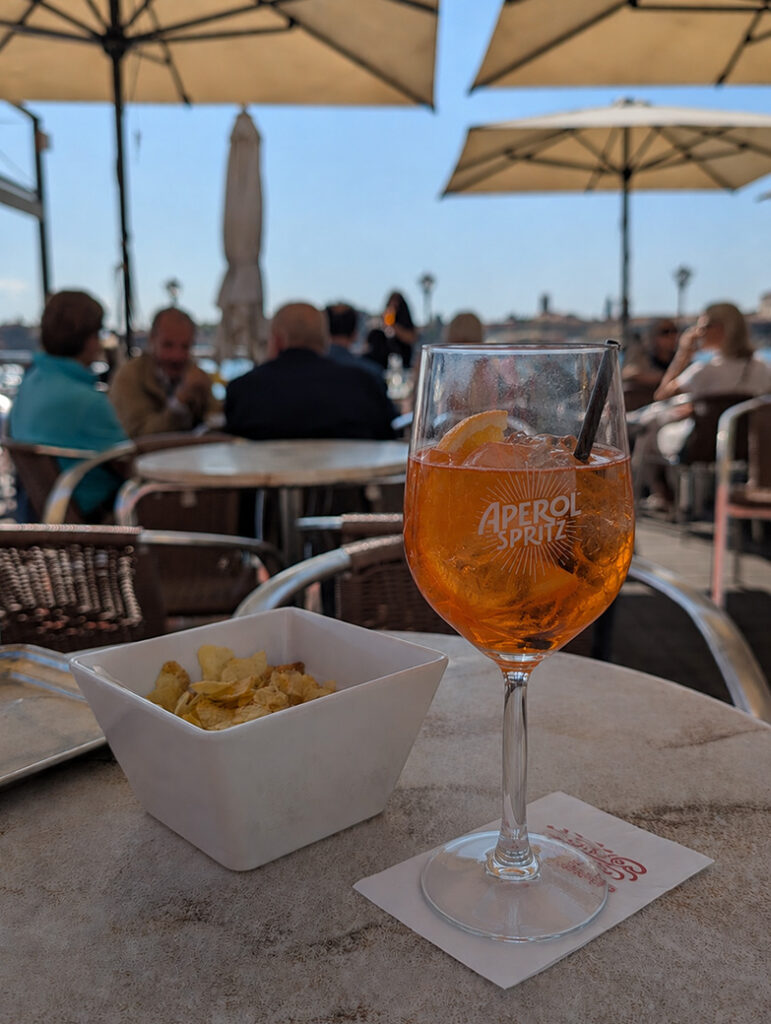
Aperol Spritz
the internationally known version. Light, slightly sweet, citrusy, easy to drink. You’ll find it everywhere near the main tourist routes.
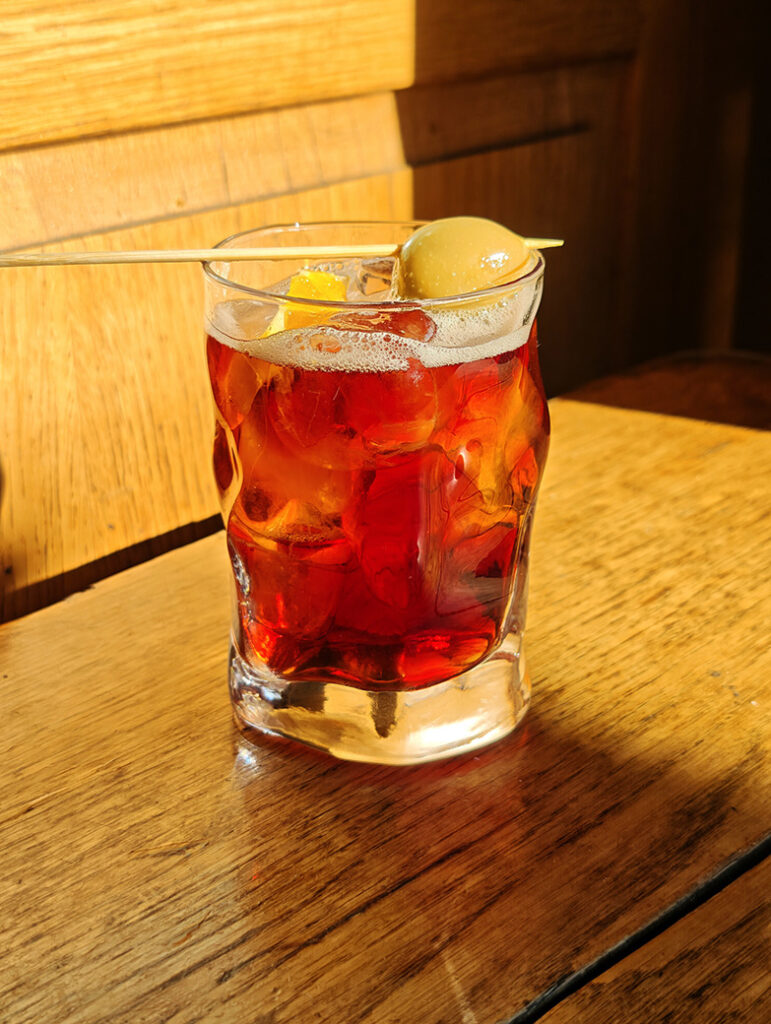
Select Spritz
the true Venetian classic, created here in 1920. Built on around 30 botanicals, including rhubarb and juniper. Herbal, slightly bitter, more complex than Aperol. This is what I order when I want people to taste what “local” actually means.
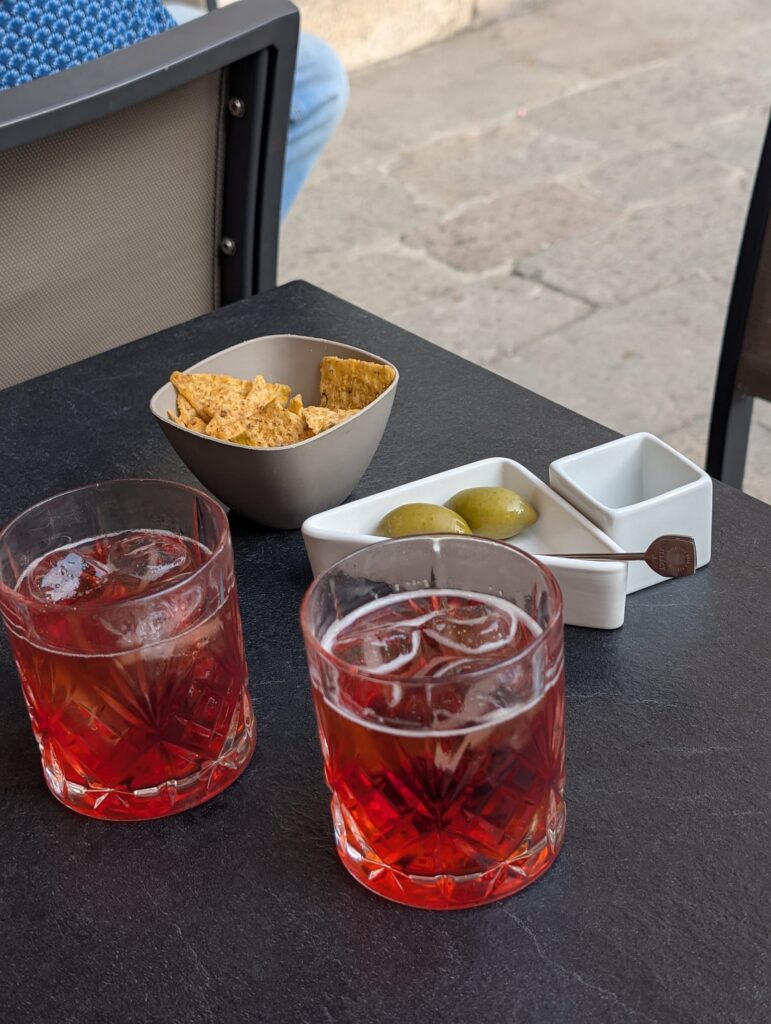
Campari Spritz
stronger and more bitter, with roots in Milan rather than Venice. Bold, intense, closer to a Negroni in spirit.

Cynar Spritz
made with 13 botanicals, artichoke leaves at the center. Earthy, vegetal, an acquired taste that regulars tend to love.

Hugo Spritz
elderflower, mint, Prosecco. Fresh and floral, popular in summer, but not a Venetian tradition —this one traveled in from further north.
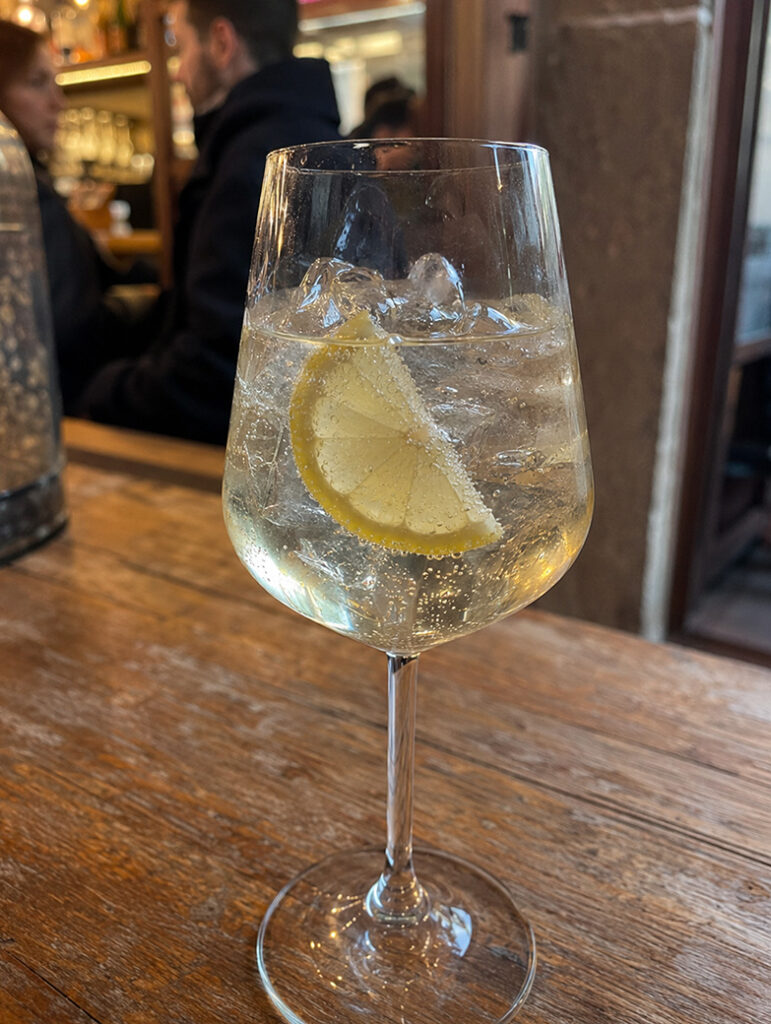
Spritz Bianco
Prosecco or white wine with soda, served with ice and lemon, sometimes an olive. Lighter and very popular in the warmer months, especially with locals who want something refreshing without the bitter edge.
How Locals Drink Spritz in Venice
For Venetians, Spritz isn’t a formal ritual — it slots into the day wherever it fits. Late morning, lunchtime, right before dinner: all fair game, especially with lighter versions like Spritz Bianco.
A typical scene at a bacaro: one person having a coffee and pastry, the person right next to them already on their first Spritz. Nobody blinks. It belongs to the space between things — a break, a quick stop — rather than to a full meal.
Most of the time, people are standing at the bar, not sitting. That’s part of the culture, not just a lack of seating. Some bacari, like the ones around Rialto or in Cannaregio away from the main crowds, are still built around that standing-at-the-counter rhythm — quick order, quick chat with whoever’s next to you, on to the next stop.
Pairing it with cicchetti is common but genuinely optional. Plenty of people just want the drink.
How Much Should a Spritz Cost in Venice?
Price depends heavily on where you’re standing.
- €3.50–€4 — standing at the bar, informal spots.
- €5–€6 — sitting down with basic table service. Still perfectly normal.
- €10 or more — generally considered high by local standards, usually tied to a view, a landmark address, or extra service.
From where I stand, the honest, local range is €3.50 to €6.
Where to Drink a Great Spritz in Venice
There’s no single “best” address — it depends on the atmosphere you’re after. Traditional bacari tend to give you the most local experience, especially the ones tucked away from the main tourist routes rather than sitting right on them. Newer wine bars offer more creative takes on the Spritz, while the quieter neighborhoods — away from Rialto and San Marco — tend to move at a calmer pace overall.
The real rule of thumb: it’s less about a specific address and more about how far you’ve walked from the landmarks.
Experience Venetian Aperitivo With a Local Guide
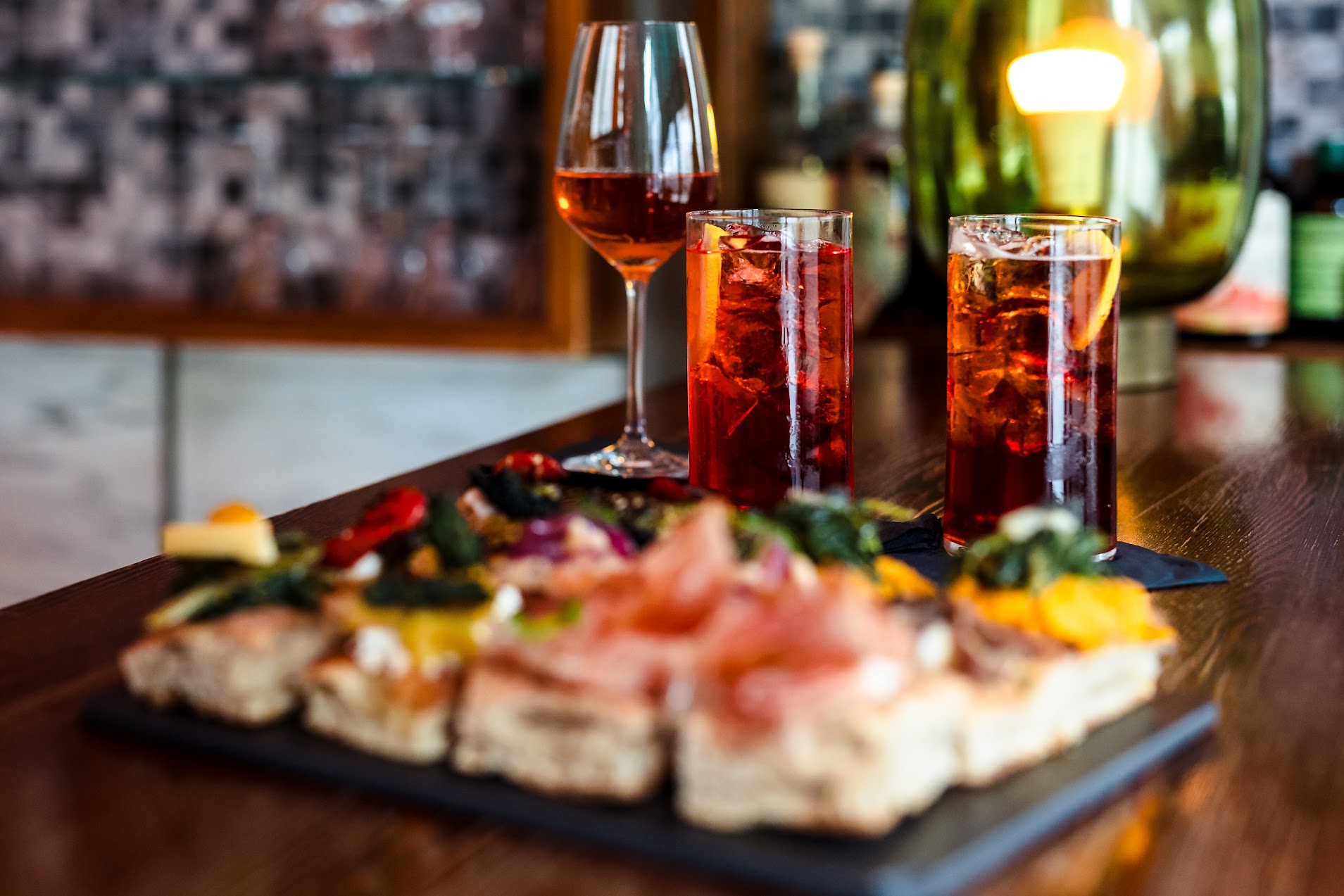
Reading about Spritz gives you the background. The real experience happens on foot, glass in hand, in the city itself.
On my private aperitivo tours in Venice, I take you through exactly this: small streets, local bacari, a few different Spritz side by side, paired with cicchetti along the way. We talk through how to spot the difference between a tourist-facing spot and an everyday Venetian one — the kind of thing you can only really learn by standing at enough different bars.
It’s a relaxed walk built around real habits, not performance. The goal is simple: understand how Venetians actually drink, where they go, and why something this simple tells you so much about the city.
FAQ
Is Aperol Spritz from Venice?
Aperol is Italian, but Spritz culture developed across the Veneto region, with Venice playing a central role.
What is the most traditional Spritz in Venice?
Select Spritz is widely considered the most local version — created here in 1920.
Do Venetians drink Spritz during the day?
Yes, especially lighter versions like Spritz Bianco.
Is Spritz always served with food?
Not usual — potato chips are common but optional.
What is Spritz Bianco?
A lighter version made with Prosecco or white wine and soda, usually served with lemon and ice.
What is Limoncello Spritz ?
It’s a modern variation, built mostly for international demand — sweet, easy, more about name recognition than heritage. Nothing wrong with enjoying one, but it helps to know it’s not what Venetians are actually drinking around you.

Spritz in Venice isn’t just a drink — it’s a habit, a rhythm, a small window into daily life here. Whether you go for Aperol, Select, or a lighter Spritz Bianco, what matters most is the context you drink it in.
Cin Cin!